
Friday, 26 April 2024 18:09

Revolutionizing plastic collection - strategies for a cleaner future

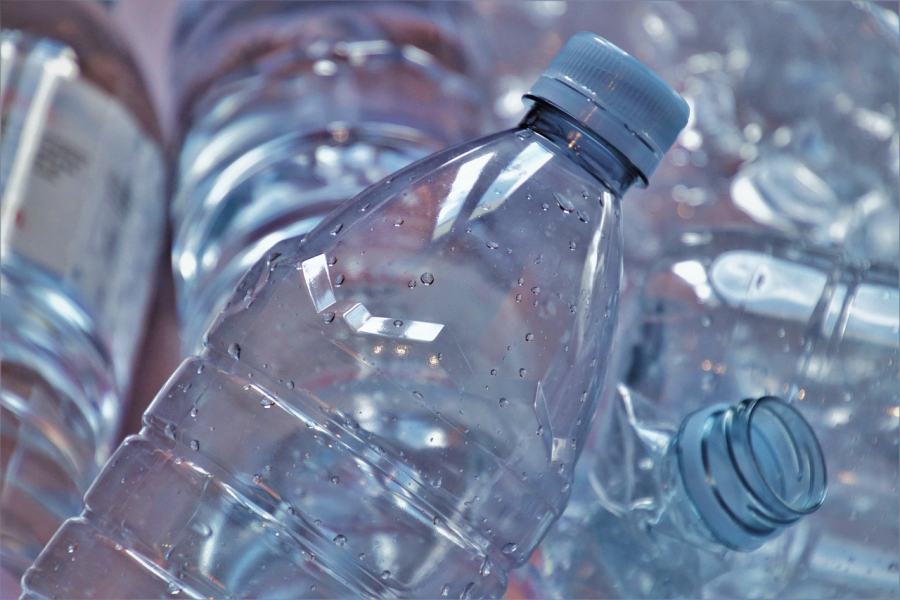
plastic collection plastic collection pixabay

The plastic predicament

Plastic pollution has emerged as one of the most pressing environmental challenges of our time. With its ubiquitous presence in oceans, rivers, and landfills, the detrimental impact of plastic waste on ecosystems and human health cannot be overstated. Despite increased awareness and efforts to curb plastic use, the volume of plastic entering our environment continues to escalate.


One of the critical aspects of addressing this crisis is revolutionizing the way we collect and manage plastic waste. Traditional methods have proven inadequate in tackling the sheer magnitude of plastic pollution. However, innovative strategies are emerging to redefine plastic collection and pave the way for a cleaner future.

Technological innovations

Technology plays a pivotal role in revolutionizing plastic collection efforts. Advanced robotics and artificial intelligence are being leveraged to enhance the efficiency and precision of waste sorting processes. Automated sorting systems equipped with sophisticated sensors can distinguish between different types of plastic, streamlining the recycling process and minimizing contamination.

Furthermore, the development of unmanned aerial vehicles (UAVs) equipped with specialized sensors offers a promising solution for identifying and mapping plastic pollution hotspots in remote or inaccessible areas. These aerial surveys provide valuable data for targeted cleanup efforts, optimizing resource allocation and maximizing impact.

Community engagement

Empowering communities to actively participate in plastic collection initiatives is essential for long-term success. Educational programs and grassroots campaigns raise awareness about the importance of proper waste disposal and recycling practices. By fostering a sense of environmental stewardship, communities become actively involved in cleaning up their surroundings and preventing plastic pollution at its source.

Moreover, incentivizing plastic collection through rewards programs or deposit schemes motivates individuals to contribute to waste management efforts. By offering tangible benefits for recycling, such as discounts or redeemable points, communities are incentivized to prioritize proper waste disposal and recycling.

Public-private partnerships

Collaboration between the public and private sectors is vital for implementing effective plastic collection strategies on a large scale. Public-private partnerships leverage the strengths of both sectors, combining resources, expertise, and innovation to tackle complex environmental challenges.

Government incentives and policies play a crucial role in encouraging private sector involvement in plastic collection and recycling initiatives. Tax incentives for companies investing in recycling infrastructure or utilizing eco-friendly packaging incentivize sustainable practices and drive innovation in plastic waste management.

Investment in infrastructure

Building robust infrastructure for plastic collection and recycling is paramount for achieving significant progress in combating plastic pollution. Investment in recycling facilities, waste treatment plants, and collection systems is essential to support efficient waste management practices.

Additionally, upgrading existing infrastructure to accommodate advanced sorting and recycling technologies enhances processing capabilities and reduces reliance on landfill disposal. By modernizing waste management infrastructure, communities can effectively handle increasing volumes of plastic waste while minimizing environmental impact.

Circular economy initiatives

Transitioning to a circular economy model is fundamental for reducing reliance on single-use plastics and promoting sustainable consumption patterns. Circular economy initiatives prioritize the reuse, recycling, and repurposing of materials to minimize waste generation and maximize resource efficiency.

By implementing closed-loop systems where products are designed for recyclability and materials are continuously circulated within the economy, the demand for virgin plastics diminishes, reducing pressure on natural resources and mitigating environmental degradation.

Revolutionizing plastic collection is imperative for mitigating the pervasive threat of plastic pollution and safeguarding the health of our planet. By embracing technological innovations, fostering community engagement, forging public-private partnerships, investing in infrastructure, and promoting circular economy initiatives, we can chart a course towards a cleaner, more sustainable future.

Through concerted efforts and collective action, we have the opportunity to reshape the trajectory of plastic pollution and pave the way for a world where plastic waste is no longer a burden but a valuable resource.


  • Women’s Day in Hospitality - A Conversation About Leadership, Collaboration and Values
    Women’s Day in Hospitality - A Conversation About Leadership, Collaboration and Values

    Poland’s hospitality sector is among the industries where women play a significant role at management level. According to Statistics Poland (GUS) data from early 2026, women account for nearly 60 percent of the managerial workforce in gastronomy and hospitality. To mark Women’s Day, we speak with Sylwia Pawłowska, General Manager of Arche Hotel Poloneza Warszawa, about the brand’s philosophy, women’s leadership, and day to day operations at one of Warsaw’s largest business hotels.

    Written on Wednesday, 04 March 2026 17:23
  • Overcoming Key Challenges in Global Automotive Parts Logistics
    Overcoming Key Challenges in Global Automotive Parts Logistics

    Global automotive parts logistics is a complex and constantly evolving field. Manufacturers, suppliers, and distributors must respond to changing market demand, tight delivery schedules, and diverse regulatory requirements. As modern vehicles rely on increasingly sophisticated components, efficient and reliable logistics has become a critical factor in keeping production and aftermarket supply running smoothly.

    Written on Sunday, 01 February 2026 17:45
  • Types of Perishable Goods Most Commonly Transported by Air
    Types of Perishable Goods Most Commonly Transported by Air

    Perishable goods are products that deteriorate quickly if storage and transport conditions are not properly controlled. In international logistics, air transport is often chosen when freshness, safety, and limited shelf life are critical factors. Short transit times and stable environmental conditions help preserve product quality over long distances.

    Written on Thursday, 29 January 2026 16:11
  • Living and Working in the European Union - Rights Every EU Citizen Should Know
    Living and Working in the European Union - Rights Every EU Citizen Should Know

    The European Union (EU) is a unique economic and political union between 27 European countries that together cover much of the continent. For EU citizens, this union offers a wealth of opportunities, particularly the freedom to live and work in any member state without the need for a work permit.

    Written on Friday, 19 December 2025 16:29
  • Top Innovators Compete in Taipei as ‘Go Healthy with Taiwan’ Finals Spotlight Health-Tech Advances
    Top Innovators Compete in Taipei as ‘Go Healthy with Taiwan’ Finals Spotlight Health-Tech Advances

    Six teams from around the world converged in Taipei on December 10, 2025, for the global finals of the “Go Healthy with Taiwan” Call for Proposals, culminating in the selection of three winning innovations poised to shape the future of global health. The competition attracted 638 proposals from 55 countries, underscoring Taiwan’s rising prominence as a hub for health technology and cross-border collaboration.

    Written on Saturday, 13 December 2025 20:12
  • Air Cargo to Africa - Navigating Opportunities in a Growing Market
    Air Cargo to Africa - Navigating Opportunities in a Growing Market

    As Africa continues to experience rapid economic growth and infrastructure development, the demand for air cargo services to and within the continent is on the rise. Air freight offers a fast and reliable solution to connect businesses with emerging markets across Africa, facilitating the movement of goods and supporting industries such as e-commerce, manufacturing, and agriculture. In this article, we’ll explore the key factors driving the growth of air cargo to Africa, the opportunities it presents, and the challenges businesses may face in optimizing their logistics strategies.

    Written on Tuesday, 30 September 2025 14:08
  • From Chaos to Clarity - Streamlining Operations with Smart Ordering Systems
    From Chaos to Clarity - Streamlining Operations with Smart Ordering Systems

    Running a busy restaurant or café is like managing organized chaos. Between juggling in-person customers, online orders, and delivery platforms, it’s easy for mistakes, delays, and miscommunications to creep in. That’s where Digital Ordering Systems come in. They transform the way hospitality businesses operate, turning chaos into clarity and delivering a smoother experience for both staff and customers.

    Written on Saturday, 30 August 2025 16:17
  • Hybrid Collapse - Inside the Technical Framework of a Posthuman Art System
    Hybrid Collapse - Inside the Technical Framework of a Posthuman Art System

    Beneath its cinematic surfaces and haunting soundscapes, Hybrid Collapse operates as a highly intentional system — where AI models, sound architecture, and conceptual logic merge into a posthuman aesthetic engine. This is not just art made with technology, but a recursive structure where every technical choice shapes meaning.

    Written on Tuesday, 29 July 2025 15:07